
In the realm of Chinese tuition classes, the quest for optimal learning efficiency is paramount chinese tutor. This article delves into strategies to elevate your educational experience, emphasizing the importance of setting clear objectives, active class participation, supplementary resources utilization, consistent practice, and seeking feedback.
By adhering to these guidelines, learners can unlock their full potential and navigate the educational landscape with confidence and purpose.

Setting Clear Learning Objectives
Establishing clear learning objectives is essential for maximizing your progress in Chinese tuition classes. By clearly defining what you aim to achieve, you set a roadmap for your learning journey, enabling you to track your progress and stay motivated yanzi mandarin. When setting your learning objectives, consider what specific skills or knowledge you want to gain, whether it be improving your speaking fluency, mastering Chinese characters, or understanding grammar rules.
Having clear objectives also helps you and your teacher tailor the tuition sessions to focus on areas that need improvement, making your learning more efficient and effective. Additionally, clear goals provide a sense of direction and purpose, keeping you committed to your studies even when faced with challenges.
Active Participation in Class
To maximize your learning in Chinese tuition classes, active participation during class is crucial. By actively engaging in discussions, asking questions, and practicing speaking Chinese, you can enhance your language skills effectively. Active participation not only allows you to practice what you have learned but also helps you receive immediate feedback from your teacher and peers. This feedback loop is essential for identifying areas of improvement and gaining a deeper understanding of the language.
Furthermore, actively participating in class cultivates a more dynamic and engaging learning environment. It encourages collaboration with classmates, fosters a sense of community, and provides opportunities for peer-to-peer learning. Through active participation, you can benefit from different perspectives, learn from others’ experiences, and expand your knowledge beyond the textbook.
Utilizing Supplementary Study Materials
Supplementary study materials enhance the effectiveness of learning in Chinese tuition classes. These additional resources provide students with opportunities to reinforce their understanding of the language outside of the classroom, allowing for more flexibility in their learning journey. By incorporating supplementary study materials such as textbooks, workbooks, online resources, and language learning apps, students can engage with the language in various contexts and formats, catering to different learning styles.
Utilizing these materials not only helps students practice what they have learned in class but also allows them to explore additional vocabulary, grammar structures, and cultural insights independently. This self-directed approach empowers learners to take ownership of their education and progress at their own pace, fostering a sense of autonomy and motivation in their Chinese language learning.
Furthermore, supplementary study materials can offer a fresh perspective on challenging topics, providing alternative explanations and exercises to consolidate learning. By incorporating these resources into their study routine, students can maximize their comprehension, retention, and application of Chinese language skills beyond the confines of traditional classroom instruction.
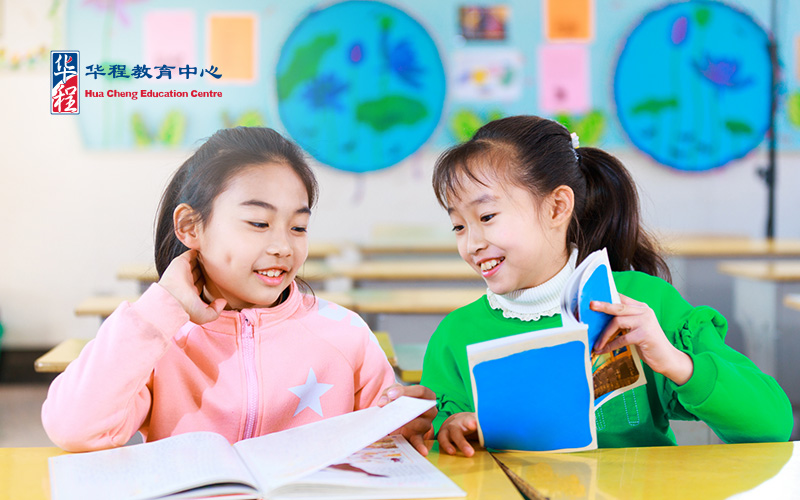
Regular Practice Outside of Class
Engaging in consistent practice outside of class is essential for maximizing learning outcomes in Chinese tuition classes. While attending classes provides valuable instruction, true mastery of the language requires regular practice beyond the classroom. Embracing regular practice empowers learners to reinforce what they have learned, build confidence, and enhance retention.
To make the most of practice outside of class, students can explore various activities that cater to their interests and learning style. This could involve watching Chinese movies or TV shows, listening to Mandarin music, practicing with language exchange partners, or even engaging with Chinese-speaking communities online. By incorporating these activities into their routine, students can make learning Chinese an enjoyable and integrated part of their daily lives.
Furthermore, setting specific goals for practice sessions can help students stay motivated and track their progress effectively. Whether aiming to master a new set of vocabulary words, improve pronunciation, or enhance comprehension skills, clear objectives can guide students in their practice efforts. Ultimately, consistent practice outside of class not only complements formal instruction but also accelerates the learning process, leading to greater proficiency in Chinese language acquisition.
Seeking Feedback and Clarification
Continuing with the momentum built through regular practice outside of class, students can enhance their learning by actively seeking feedback and clarification in Chinese tuition classes.
Feedback is a crucial component of the learning process, providing insight into areas of improvement and validating progress made. When students actively seek feedback from their teachers, they demonstrate a commitment to their own learning journey. It allows them to identify weaknesses, address misunderstandings, and gain a clearer understanding of complex concepts.
Moreover, seeking clarification when in doubt is essential for preventing misconceptions from taking root. By proactively asking questions and seeking explanations, students can solidify their knowledge and ensure they are on the right track.
Embracing feedback and clarification creates a dynamic learning environment where students feel empowered to engage with the material more deeply. Ultimately, this proactive approach leads to greater mastery of the Chinese language and a more fulfilling educational experience.
Conclusion
In conclusion, maximizing learning in Chinese tuition classes requires:
- Setting clear objectives,
- Active participation,
- Utilizing supplementary materials,
- Regular practice, and
- Seeking feedback.
By implementing these strategies, students can enhance their understanding and proficiency in the language, ultimately improving their overall academic performance.